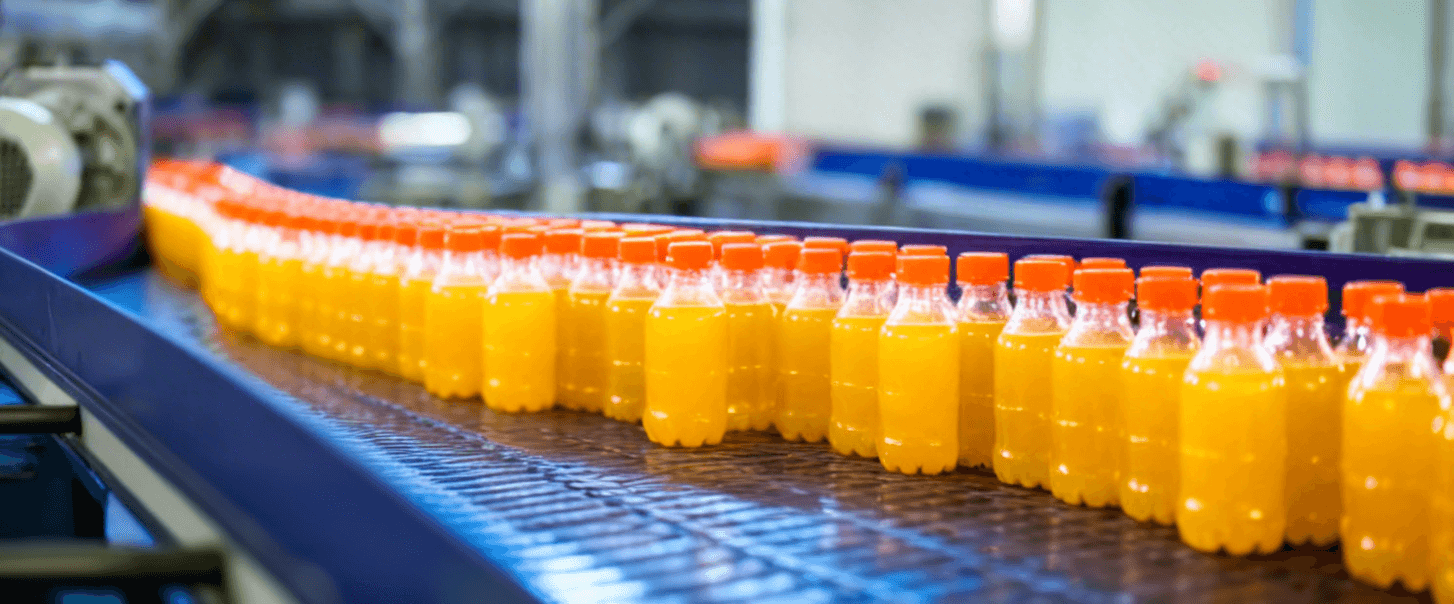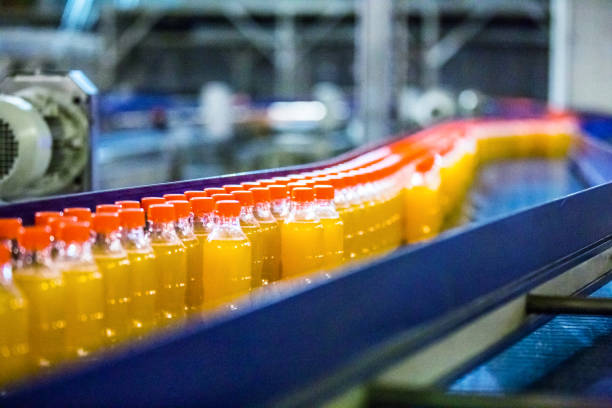
Juice plant
A modern plant in Kasaji that processes local fruits into packaged juice, reducing waste, boosting food security, and creating jobs for youth and women in Lualaba Province.
Project summary
An eco-friendly juice plant in Kasaji using solar power and waste recycling to link local production, processing, and distribution.
Project
Juice plant
Date
2026
Category
Industry
Project details
The Kasaji Juice Production Plant responds to the lack of local infrastructure for processing agricultural products in the region. Currently, fruits such as mangoes, oranges, pineapples, and guavas are sold in raw form without value addition, resulting in post-harvest losses and heavy reliance on imported juice products.
The project will establish an industrial processing unit that enables local transformation of agricultural produce, creates direct and indirect employment, improves living standards, and contributes to sustainable economic diversification in Lualaba Province.
Key objectives
Build and equip a modern juice production facility in Kasaji
Promote local processing of agricultural products
Create direct and indirect employment in the agri-food sector
Reduce imports of processed juice products
Expected results
Fully operational juice production plant
200 direct jobs and 500 indirect jobs created
Local agricultural processing rate increased by 40%
Performance Indicators
Percentage of work completed:
Year 1: 40%
Year 2: 100%
Installed & operational equipment:
Fully operational by Year 2
Annual production volume:
Year 2: 150,000 liters
Year 3: 400,000 liters
Institutional & Management Information
Responsible Ministry
Provincial Ministry of Industry – Lualaba
Service / Institution
Office of the Provincial Minister
Project Owner
Provincial Ministry of Trade, Industry, and Budget (Lualaba)
Project Manager
Approved logistics and construction company
Post-Project Management
Lualaba Agri-Food Management and Distribution Company (SGDAL)
Benefits & Impact
Direct benefits
Economic valorization of local fruits
Job creation for youth and women
Support for agricultural cooperatives and agri-food workers
Indirect benefits
Improved living standards
Reduced unemployment
Gender parity encouraged
Impacts
Strengthened food security
Sustainable industrial development
Reduced dependency on imported products